There have always been great performers in Cuban music across its diverse genres. The period of the 20th century in Cuban music (1930-1959) was particularly fertile ground for their emergence. Some have stood out for their artistic work and are now legends of Cuban music; among them are Rita Montaner, Miguelito Valdés, Roberto Faz, Celina González, and Omara Portuondo.
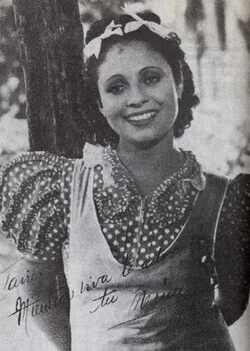
Throughout her artistic career, Rita Montaner shared the stage with many of Cuba's most prestigious musicians and artists. She performed internationally in the United States, Europe, and Latin America. She became a kind of ambassador for all her rhythms and songs. She carefully selected her extensive repertoire, interpreting the best of Cuban songwriting and encompassing all the known genres of Cuban music. With her majestic performances, she demonstrated that there is no division between classical and popular music. She was known and recognized by the Cuban people as "La Única" (The One and Only). She was capable of interpreting delicate songs like "Canción azul" and "Siboney" by Lecuona, as well as singing a popular genre like "El manisero" (The Peanut Vendor).
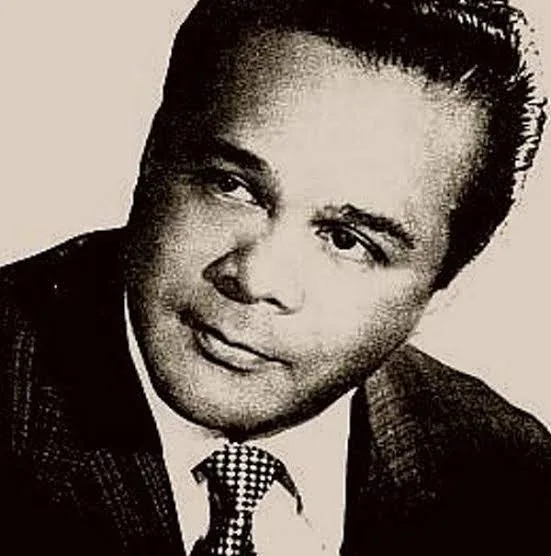
Miguelito Valdés, the famous "Mister Babalú," as the greatest sonero of those years was known, was the main driving force behind Chano Pozo's compositions. His musical repertoire included various genres such as bolero, son, and guaracha. His style was characterized by his powerful voice and a playful, mischievous take on popular culture.
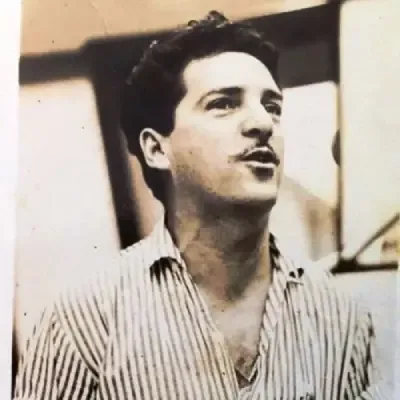
Roberto Faz's voice was powerful, clear, and high-pitched, full of musicality, and it became one of the most famous across various genres of Cuban music. With Conjunto Casino, he had hits singing boleros, guarachas, and filin songs. His excellent voice is captured on nearly four hundred recordings, all steeped in the Son style of the 1930s, which remain an example of Cuban popular music to this day.
Celina González distinguished herself through her dazzling interpretations of Cuban folk music, especially the guajira, and has been hailed by critics, musicologists, and fans of the genre as the Queen of Punto Cubano. Among her most popular songs are "Yo soy el Punto Cubano" and "Que Viva Changó."
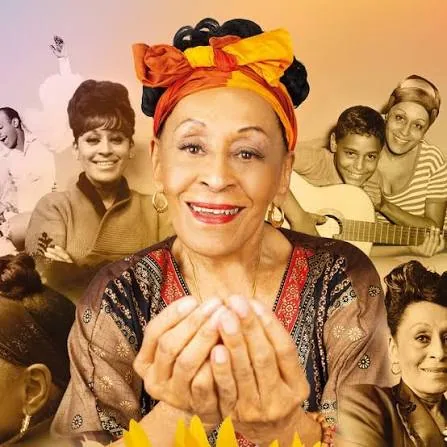
Omara Portuondo is one of the most representative figures of Cuban popular song. She has performed almost every genre and style of Cuban music, leaving a record of her talent in an extensive discography. She is known to the Cuban people as "La novia del Feeling" (The Bride of Feeling).
We can also mention other greats of Cuban song from that era, such as María Micaela Secada Ramos; Moraima Secada, a unique Cuban singer and one of our most popular and genuine interpreters of the Feeling movement. She was a member of the famous all-female orchestra Anacaona and also of the renowned Cuarteto Las D'Aida. For a time as a soloist, she was accompanied by the group Los Bravo and was a member of the quartet Los Meme. She resumed her solo career, achieving an impressive string of hits and performing songs such as "Alivio" and "Perdóname conciencia."
Elena Burke was also a revered and popular Cuban singer, a great interpreter of boleros and romantic ballads. She was known as "La Señora Sentimiento" (The Lady of Feeling). Considered the best singer of the Feeling movement in Cuban music, she belonged to renowned groups such as the Facundo Rivera Quartets, the Orlando de la Rosa Quartets, and the D'Aida Quartet. She was also an excellent soloist.
Miguelito Cuní, a native of Pinar del Río, arrived in Havana in 1938. He joined Ernesto Muñoz's group, where he remained for about two years, quickly becoming known in the capital's artistic scene. He also played with Arcaño's orchestra, had the opportunity to work with Arsenio Rodríguez and Chapotín y sus Estrellas, and shared the stage with the legendary Benny Moré.
Abelardo Barroso, known as the Caruso of Danzonete, was a member of Septeto Habanero, which launched his career as a singer. He performed with several groups that would become iconic in the history of Cuban popular music, such as Sexteto Boloña, Ernesto Núñez's orchestra, and Sextetos Alabama and Universo, among others. Barroso was a singer who could interpret most of the popular Cuban musical genres.