Mambo is a danceable musical genre originating from 20th-century Cuban music. It emerged from the Danzón when Orestes López incorporated a syncopated bass line into the montuno section of his Danzón-Mambo, historically known as Danzón de Nuevo Ritmo (New Rhythm Danzón). Later, Dámaso Pérez Prado extracted the syncopated rhythm from the montuno section of the new rhythm danzones, thus creating a new Cuban musical genre called Mambo.
Mambo is characterized by a pause in each measure, resulting in the use of syncopation and offbeats (shifting the rhythmic accent from the strong beat to the weak beat). It has a freer, repetitive structure based on sequences. It is typically performed by a jazz band. Its lyrics are not narrative; they are generally incoherent and often include shouting.
The story of Mambo begins when Dámaso Pérez Prado started composing instrumental music around 1940, hoping it would be more accessible to international audiences. In 1946 and 1948, Pérez Prado recorded his new compositions with RCA. However, these recordings were unsuccessful because record producers didn't understand the music.
For these reasons, in 1948, he traveled to Mexico, where he continued creating and perfecting this new musical rhythm. He managed to premiere the Mambo in a dirty, patched-up circus tent thanks to the support he received from a businessman.
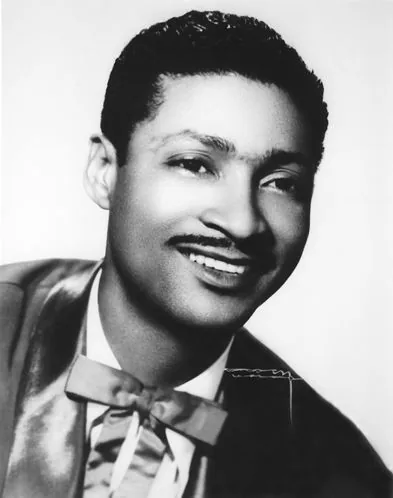
Pérez Prado, along with the incomparable Benny Moré, made Mambo a truly popular music in Mexico City, but it was from the United States that it spread to the rest of the world, a product of the remarkable success it achieved there in the mid-1950s. During this decade and the first years of the following decade, this Cuban musical genre enjoyed great popularity in clubs and discos all over the world.
Mambo's first songs were titled Trompetiana (registered as Mambo) and Panamá (registered as Mambo kaen). Some of the best-known songs were simply named with a number, while others had women's names or somewhat poetic titles.
Among the most popular Mambos by Pérez Prado we can find “Qué rico mambo” and “Mambo No. 5”.